
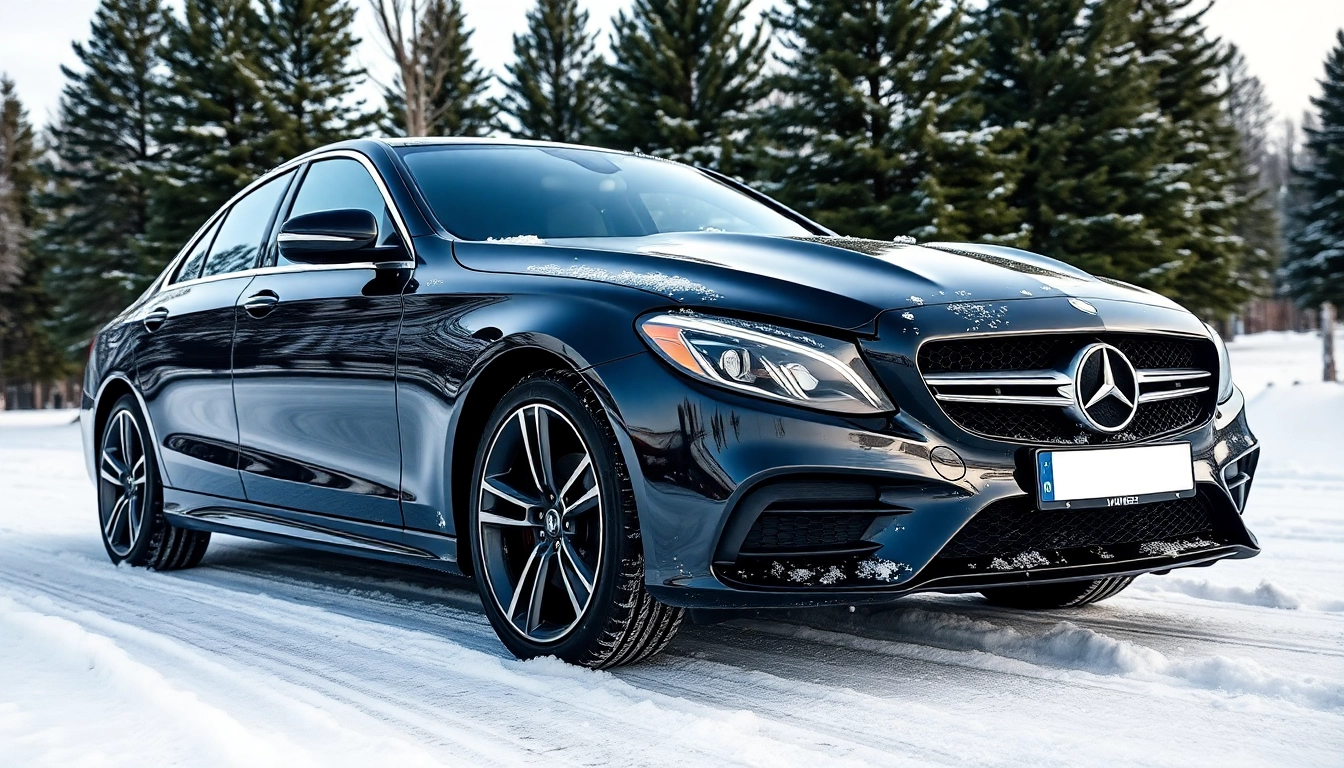
Understanding PPF Winter Road Salt Protection
What is PPF?
Paint Protection Film (PPF) is a high-quality, durable thermoplastic urethane film that is designed to protect a vehicle’s paint from various environmental threats, including scratches, chips, and chemical stains. This clear film adheres to the surface of your car, creating a robust barrier against elements like dirt, debris, and more critically, winter road salt. By safeguarding a vehicle’s exterior, PPF helps maintain its aesthetic appeal and resale value.
Importance of Road Salt Protection
During winter months, road salt is used extensively to combat ice and ensure safer travel conditions. However, this salt can be detrimental to a vehicle’s paint and body. The corrosive properties of road salt can lead to paint damage, rust, and long-term deterioration if not adequately protected. Thus, PPF winter road salt protection becomes vital, serving as an essential layer that helps preserve your vehicle while facing the harsh realities of winter.
Benefits of Using PPF
The advantages of using PPF extend beyond just winter protection. Firstly, it improves the appearance of the vehicle by providing a high gloss finish that enhances the color depth of the paint beneath. Furthermore, PPF is self-healing; minor scratches and blemishes can disappear with heat from the sun or warm water, ensuring lasting clarity and shine. It also helps reduce the need for frequent detailing and products that could harm the original paint surface.
How PPF Protects Against Winter Elements
Mechanisms of Protection
PPF works by functioning as a sacrificial layer over the car’s paint. It absorbs impacts from road debris, including gravel and salt, preventing them from reaching the paint surface. This durability is achieved through advanced molecular technologies that grant PPF its resistance against abrasion, UV rays, and harsh chemicals. It effectively mitigates the harm caused by winter elements, maintaining the vehicle’s structural integrity.
Prevention of Paint Damage
One of the stark realities of winter driving is the potential for paint damage due to exposure to corrosive substances. PPF plays a critical role in preventing such damage. It acts as a shield, absorbing the corrosive qualities of road salt and preventing them from penetrating through to the paint. By mitigating these risks, vehicle owners can avoid costly repainting and repair work that could arise due to neglecting proper protective measures.
Analyzing Long-Term Cost Savings
Investing in PPF can translate to long-term financial savings. While the upfront cost may be higher than a standard wax or sealant, the protective advantages offered by PPF can extend the life of your vehicle’s paint and bodywork. By reducing repainting expenses and enhancing resale value, the purchase of PPF can quickly recoup its cost over time. Also, fewer trips to the auto detailing shop for repairs and maintenance contribute positively to overall cost savings.
Choosing the Right PPF for Your Vehicle
Types of PPF Available
There is a range of PPF products available, each designed for specific needs and vehicle types. Standard films often provide basic protection, while premium films offer advanced features like self-healing technology and hydrophobic properties that repel water and dirt. Exploring options like matte, gloss, or even colored films can help personalize your vehicle’s appearance while providing adequate protection against road salt and other winter elements.
Factors to Consider When Selecting PPF
When selecting the right PPF for your vehicle, consider factors such as thickness, clarity, and warranty. A thicker film generally offers better protection, while high-quality films also tend to resist yellowing and maintain their clarity over time. Warranty options indicate the manufacturer’s confidence in the film’s durability and performance. It’s essential to review these factors in conjunction with your specific driving conditions and climate challenges.
Professional Installation vs. DIY
Deciding between professional installation and a DIY approach for PPF can significantly impact the film’s performance. While DIY kits are available, professional installation ensures precise application, reducing the likelihood of air bubbles or misalignment that could compromise protection. Professionals have the expertise to handle complex vehicle designs and ensure optimal adhesion, which enhances the longevity and effectiveness of the PPF.
Maintaining Your PPF During Winter Months
Regular Cleaning Practices
Maintaining PPF during winter months involves adopting specific cleaning habits. Regularly washing your vehicle with gentle soap and soft cloths will help remove salt and dirt without scratching the surface. It’s recommended to rinse the car thoroughly to eliminate all remnants of salt, particularly in crevices. Using a wax or sealant designed for PPF can enhance its protective capabilities and longevity.
Avoiding Common Mistakes
When caring for PPF, avoiding common mistakes is crucial for maximizing longevity. Never use harsh chemicals or abrasive cleaning tools. These could damage the film and hinder its protective properties. Additionally, parking close to roadways during winter can expose your PPF to flying salt and debris, recommend parking in a garage or clear area whenever possible to minimize this risk.
When to Seek Professional Help
Even with diligent maintenance, some issues may arise that require professional intervention. If you notice yellowing, peeling, or bubbling in the film, it’s essential to consult a professional installer. They can assess the damage and determine whether the film can be repaired or needs to be replaced. Regular check-ups can help intercept problems early, ensuring continuous protection.
Frequently Asked Questions about PPF Winter Road Salt Protection
How does PPF work against salt damage?
PPF creates a protective barrier that absorbs impacts, preventing road salt from damaging the paint underneath.
Can I apply PPF myself?
While DIY installation is possible, professional application ensures better adhesion and fewer mistakes for optimal protection.
How long does PPF last in winter conditions?
Quality PPF can last up to 5 to 10 years, depending on environmental exposure and maintenance.
Will PPF change my car’s appearance?
High-quality PPF is nearly invisible and enhances your car’s gloss without altering its original appearance.
What maintenance does PPF require?
Regular washing with gentle products ensures longevity, while avoiding abrasive cleaners will maintain its clarity.