
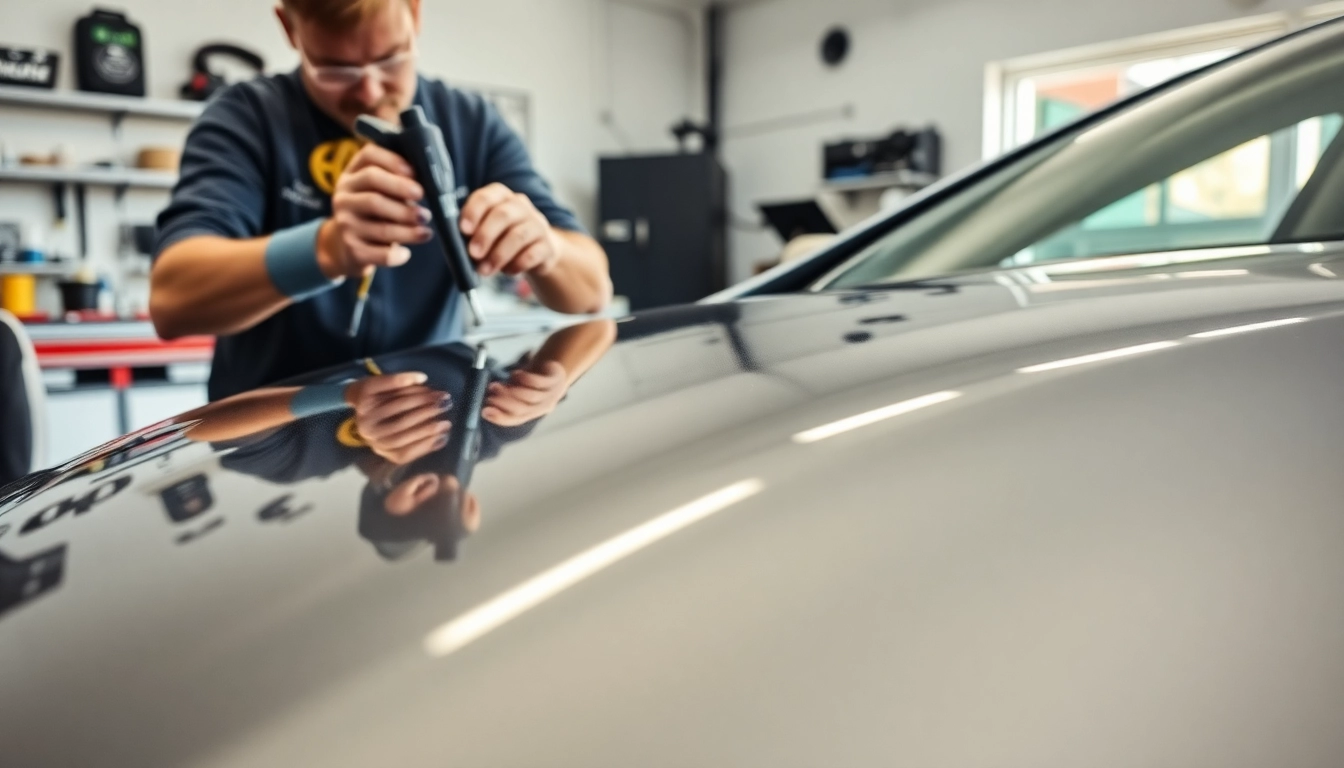
Understanding Salt Protection Ceramic Coating
What is Salt Protection Ceramic Coating?
Salt protection ceramic coating is an advanced protective solution designed to safeguard vehicles from the corrosive effects of salt, especially in regions prone to snow and ice. This innovative coating forms a durable barrier over the vehicle’s paint, shielding it from harsh environmental elements and mechanical wear. The ceramic layer enhances the vehicle’s appearance while ensuring long-lasting protection against road salts, which can cause rust and deterioration. The application of this coating not only improves the vehicle’s aesthetic appeal but also extends its lifespan by preventing damage from corrosive substances. For those interested in enhancing their vehicle’s defense against such elements, the salt protection ceramic coating offers an effective solution.
Benefits of Salt Protection Ceramic Coating
Apart from protection against salt, this type of ceramic coating presents several beneficial features. One significant advantage is its hydrophobic properties, which repel water and prevent contaminants from sticking to the vehicle surface. This means that vehicles coated with this treatment are easier to clean and maintain, as dirt, grime, and liquids are less likely to adhere to the paint. Additionally, the coating is resistant to UV rays, which reduces the risk of paint fading and oxidation over time.
Another key benefit of salt protection ceramic coating is its ability to withstand chemical exposure. Many cleaning agents and pollutants can damage the paint and integrity of a vehicle; however, with this coating, the surface is significantly safeguarded. Furthermore, the enhanced gloss offered by the coating elevates the visual appeal of the vehicle, providing a lasting shine that standard wax or sealants cannot match.
How It Works to Protect Your Vehicle
The efficacy of salt protection ceramic coating lies in its molecular structure. The coating consists of nanoparticles that bond with the vehicle’s paint at a molecular level, creating a hard, protective layer. This process results in both a physical and chemical bond that enhances durability and resilience against external factors.
When road salts come into contact with untreated paint, they can migrate into tiny scratches and imperfections, leading to corrosion. However, with a salt protection ceramic coating, the surface is significantly smoother and more uniform, minimizing the potential for these substances to penetrate. Additionally, the nano-coating is formulated to resist physical abrasion, meaning that everyday wear-and-tear has less impact on the integrity of the coating, providing long-term protection.
Application Process for Salt Protection Ceramic Coating
Preparation of the Vehicle Surface
To ensure optimal adhesion and effectiveness, the application of salt protection ceramic coating starts with thorough surface preparation. This process includes a detailed washing and decontamination of the vehicle to remove any dirt, grease, or previous wax residues that could interfere with the coating’s bonding. Often, clay bar treatments are employed to eliminate embedded contaminants to achieve a perfectly smooth surface.
In some cases, a light polish may be necessary to address any micro-scratches, enhancing the clarity of the paint. This preparation is crucial, as any imperfections left on the surface may compromise the coating’s effectiveness. Proper preparation sets the stage for a uniform application, ensuring that the coating adheres correctly and provides maximum protection.
Steps to Apply Salt Protection Ceramic Coating
Once the surface is adequately prepared, the application of salt protection ceramic coating can begin. This process involves several critical steps:
- Application of Ceramic Coating: The ceramic coating is applied in small sections using an applicator pad. The technician carefully spreads the coating evenly to ensure complete coverage.
- Curing Time: After application, the coating requires a specific curing period. During this time, it bonds with the vehicle’s surface and hardens, creating the protective layer.
- Buffing and Finishing: Once cured, any surplus coating is buffed off to reveal a brilliant shine. This step is essential to achieve the desired aesthetics while ensuring the coating functions effectively.
Each of these steps is critical to achieving the best results, and they highlight the precision required for successful coating application.
Post-application Care and Maintenance
After the application of salt protection ceramic coating, proper care and maintenance play an integral role in maximizing its longevity and effectiveness. Vehicle owners are encouraged to avoid washing their cars for the first week to allow the coating to cure fully. Once this period is over, regular maintenance can include gentle washing with pH-neutral car soap and microfiber cloths.
It’s advisable to avoid harsh chemicals, waxes, or sealants that may affect the integrity of the ceramic coating. Instead, using a maintenance spray specifically designed for ceramic coatings can enhance the hydrophobic properties and prolong the shine.
Comparing Salt Protection Ceramic Coating with Other Coatings
Durability and Longevity
When compared to traditional wax and sealants, salt protection ceramic coating stands out due to its superior durability and longevity. While wax typically lasts for a few weeks, and synthetic sealants offer a few months of protection, ceramic coatings can endure for several years with proper maintenance. Their resilience to environmental hazards, including UV rays, salt, and harsh weather conditions, makes them a more reliable investment for vehicle protection.
Cost-Effectiveness
Although the initial cost of applying salt protection ceramic coating may be higher than traditional wax or sealants, when evaluated over time, it proves to be more cost-effective. The extended life of the coating reduces the frequency of reapplications, thus saving money in the long term. Additionally, the added benefit of preserving the vehicle’s paint and resale value contributes to its overall cost-effectiveness.
Performance in Harsh Conditions
For vehicles often exposed to harsh climates or driving conditions, salt protection ceramic coating provides unmatched protection. Its unique formulation is specifically designed to resist road salts, making it ideal for winter months when vehicles are exposed to de-icing chemicals. Moreover, in summer conditions, the coating safeguards against UV damage, in addition to providing a protective layer against dirt and grime.
User Experiences and Testimonials
Real-life Benefits Observed
Many users report significant improvements in their vehicle’s appearance and maintenance needs after applying salt protection ceramic coating. Owners have found that keeping their vehicles cleaner became easier, and they experienced less time spent on detailing. The protective qualities of the coating not only helped maintain the paint’s clarity but also contributed to better overall performance by reducing the frequency of necessary repairs.
Common Misconceptions
Despite the numerous benefits of salt protection ceramic coating, some common misconceptions persist. A prevalent myth is that ceramic coatings are bulletproof and require no maintenance. In reality, while they do provide substantial protection, they cannot prevent all forms of wear and tear. Routine maintenance is still essential to ensure long-lasting effectiveness.
How It Fits Into Regular Maintenance Routines
Incorporating salt protection ceramic coating into a regular vehicle maintenance routine is straightforward. After application, the routine involves checking for minor damages, periodic cleaning, and using specialized maintenance products designed to complement the coating. Vehicles will not only maintain their aesthetic but also ensure enhanced durability, making the investment worthwhile.
FAQs about Salt Protection Ceramic Coating
What is the lifespan of salt protection ceramic coating?
The lifespan varies, but most coatings can last from 2 to 5 years depending on environmental factors and maintenance practices.
Can I apply salt protection ceramic coating myself?
While DIY kits are available, professional application is recommended for optimal results due to the need for precise preparation and technique.
How do I maintain my vehicle after application?
Regular washing with pH-neutral soap is recommended. Avoiding harsh chemicals and using maintenance sprays can enhance the coating’s effectiveness.
Does salt protection ceramic coating work in all climates?
Yes, it is designed to withstand extreme weather conditions, offering protection from UV rays, salt, and other environmental factors.
What makes this coating different from wax or sealants?
Unlike wax or sealants, salt protection ceramic coating bonds at a molecular level, providing superior durability, longevity, and protection against harsher elements.