
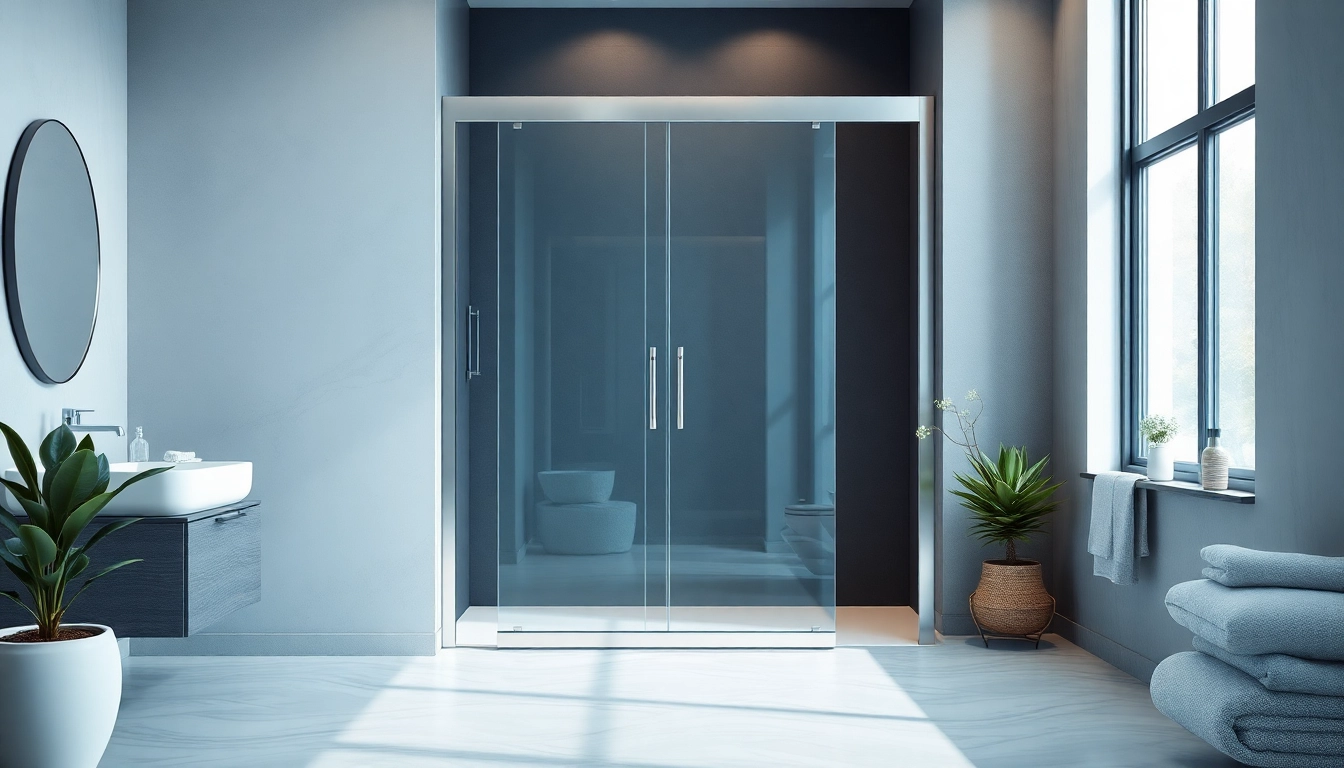
Overview of Sliding Shower Doors
What Are Sliding Shower Doors?
Sliding shower doors are a sleek and modern alternative to traditional shower curtains and hinged doors. They consist of two or more panels that glide along a track, allowing for easy entry and exit while maximizing the use of space. These doors are typically made from tempered glass, which is designed for safety and durability. The design not only enhances the aesthetic appeal of your bathroom but also provides a functional solution to keep water contained within the shower area.
Benefits of Using Sliding Shower Doors
Choosing sliding shower doors comes with numerous benefits, making them a popular choice for many homeowners. Here are some of the primary advantages:
- Space Efficiency: With no outward swing, sliding doors are ideal for small bathrooms where space is limited, allowing for more room to move around freely.
- Easy Access: The smooth-gliding mechanism enables users to enter and exit the shower effortlessly, making it especially beneficial for elderly or mobility-impaired individuals.
- Enhanced Aesthetics: Available in various designs, sliding shower doors can elevate the style of any bathroom, offering a modern, sleek look.
- Improved Water Containment: Sliding doors are engineered to provide a tight seal when closed, minimizing the risk of water leakage that can lead to slippery bathroom floors.
- Low Maintenance: Many modern sliding shower doors are designed to resist water spots and stains, requiring minimal cleaning.
For those interested in upgrading their bathroom, sliding shower doors can be a fantastic investment, combining design and pragmatism.
Materials Used in Sliding Shower Doors
The materials used in sliding shower doors significantly affect their overall look, durability, and functionality. Commonly used materials include:
- Tempered Glass: The most popular choice, tempered glass is heat-treated for safety and strength, making it resistant to breakage.
- Acrylic or Polycarbonate: Lightweight and shatter-resistant, these materials are often used in budget-friendly models, though they may scratch more easily than glass.
- Aluminum Framework: Frequently utilized for framed designs, aluminum is lightweight and resistant to corrosion, ensuring longevity.
- Stainless Steel Tracks and Hardware: Stainless steel provides strength and resilience against moisture, making it a preferred choice for the sliding mechanisms.
Design Options for Sliding Shower Doors
Frameless vs. Framed Designs
One of the first design considerations for sliding shower doors is whether to opt for a frameless or framed style:
- Frameless Designs: These doors offer a minimalist look and are often made from thicker glass for added strength. They create an open and airy feel in the bathroom and are easy to clean, as there are fewer crevices for mold and grime to accumulate.
- Framed Designs: Typically more budget-friendly, framed sliding shower doors incorporate aluminum or other materials around the edges of the glass panels. They are available in various finishes and styles but may have a more traditional appearance compared to frameless options.
Colors and Finishes to Consider
The aesthetic of sliding shower doors can be customized using various colors and finishes. Popular choices include:
- Clear Glass: This classic option provides an unobstructed view and an illusion of a larger space.
- Frosted Glass: Ideal for those who seek more privacy, frosted glass diffuses light while obscuring the view inside the shower.
- Tinted Glass: Adding a subtle hue can enhance privacy and reduce glare, while also serving as a stylish design element.
- Metal Finishes: Polished chrome, brushed nickel, and oil-rubbed bronze are popular hardware finishes that can complement various bathroom decors.
Customizable Features of Sliding Shower Doors
Customization is key to ensuring your sliding shower doors fit seamlessly into your bathroom’s design. Consider the following options:
- Size: Sliding shower doors come in standard sizes, but custom measurements are often available to ensure a perfect fit for your space.
- Glass Thickness: Standard thickness ranges from 3/8 inch to 1/2 inch, with thicker glass offering more durability and a more upscale appearance.
- Track Systems: Explore different track designs—some feature concealed tracks for a cleaner look, while others are exposed for easy maintenance.
Installation Process for Sliding Shower Doors
Tools and Materials Needed
Proper installation of sliding shower doors requires specific tools and materials. Here’s what you’ll need:
- Drill and drill bits
- Level
- Measuring tape
- Silicone caulk
- Stud finder
- Screwdriver
- Sliding door kit
- Safety glasses and gloves
Step-by-Step Installation Guide
Below is a detailed guide to installing sliding shower doors:
- Measure the Space: Begin by measuring the width and height of the shower opening to ensure the correct size doors are chosen.
- Prepare the Area: Clear the installation site and remove any existing doors or hardware. Ensure that the walls are even and well-prepared for mounting the tracks.
- Install the Top Track: Using a level, mark the placement of the top track on the wall. Drill holes, insert anchors, and then attach the track securely.
- Attach the Bottom Track: Measure and cut the bottom track to fit. Secure it to the shower base with screws.
- Hang the Doors: Install the sliding panels by aligning the rollers with the top track, then guide the bottom rollers into the bottom track.
- Seal the Edges: Apply silicone caulk around the edges of the tracks to prevent water leakage.
- Test the Doors: Open and close the doors to ensure smooth operation and make any necessary adjustments to the track system.
Common Mistakes to Avoid During Installation
To avoid issues during installation, consider these common mistakes:
- Neglecting accurate measurements can lead to doors that do not fit properly, creating gaps or operational issues.
- Failure to use the appropriate tools can result in damage to the materials or unsafe installations.
- Not ensuring the tracks are level can lead to improper alignment, causing doors to stick or malfunction.
- Over-applying caulk may create a mess and lead to unsightly appearances, while under-applying can result in water leakage.
Maintaining Your Sliding Shower Doors
Best Cleaning Practices
Regular maintenance of sliding shower doors ensures longevity and aesthetic appeal. Follow these best cleaning practices:
- Daily Rinse: After each use, rinse the doors with warm water to minimize soap scum and mineral deposits.
- Gentle Cleaning Solution: Use a mixture of vinegar and water or a specialized glass cleaner for regular cleaning to avoid scratching the surface.
- Microfiber Cloths: Utilize microfiber cloths for cleaning, as they are gentle and effective at lifting dirt without scratching glass.
Preventive Care Tips for Longevity
Taking preventive care measures can extend the life of your sliding shower doors:
- Check Track Alignment: Regularly inspect the tracks for debris and alignment issues, ensuring doors glide smoothly.
- Adjust Rollers as Needed: Periodically adjust the rollers to maintain smooth operation and prevent wear on the track.
- Sealant Maintenance: Reapply sealant around the edges if you notice any wear to prevent moisture damage.
When to Seek Professional Help
Some situations may call for professional assistance:
- Significant glass damage that could lead to injury or further complications.
- Persistent water leaks that suggest improper installation or sealing issues.
- Complex installations that require specialized tools or replacement parts.
FAQs About Sliding Shower Doors
How Do I Measure for Sliding Shower Doors?
Measure the width and height of the shower opening, taking care to account for any frame edges. Double-check all measurements for accuracy to ensure a perfect fit.
Can I Install Sliding Shower Doors Myself?
Yes, with the right tools and guidance, DIY installation is feasible. However, if you’re unsure or the installation is complex, seeking professional help is advisable.
What Are the Common Problems with Sliding Shower Doors?
Common issues include misalignment, noisy rollers, and water leaks. Regular maintenance can help prevent many of these problems.
Are Sliding Shower Doors Energy Efficient?
Sliding shower doors themselves are not directly energy-efficient; however, proper sealing helps maintain temperature and humidity, indirectly contributing to overall efficiency in the bathroom.
How Do I Choose the Right Type of Sliding Shower Doors?
Consider your bathroom’s size, design, style preferences, and functionality needs. Assess material options and whether a framed or frameless design better suits your space.