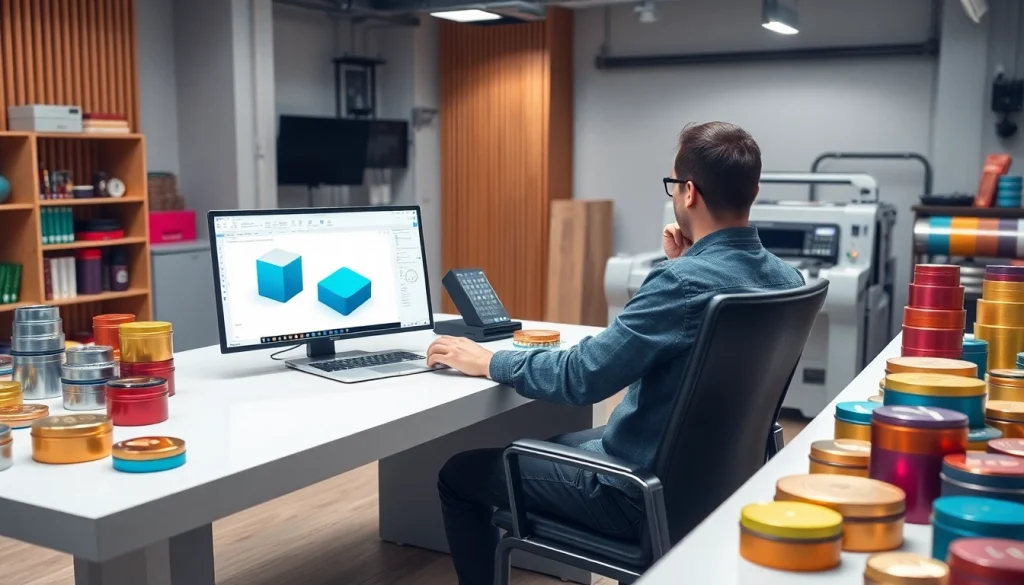
Understanding the Basics of Custom Tin Boxes
Custom tin boxes are versatile packaging solutions that have gained immense popularity across various industries. They are designed to cater to specific needs such as branding, product protection, and enhanced consumer experience. As businesses increasingly seek unique ways to present their products, the demand for custom tin box solutions has surged. These boxes not only serve functional purposes but also add an aesthetic element that can enhance brand visibility and customer appeal.
What is a Custom Tin Box?
A custom tin box is a tailored packaging solution made from metal that can be customized in terms of shape, size, and design according to specific customer requirements. Unlike generic packaging options, custom tins allow businesses to reflect their brand identity while providing durable protection for their products. From cylindrical containers for candles to square boxes for cosmetics, the flexibility of tin material makes it ideal for various applications.
Benefits of Using Custom Tin Boxes
- Durability: Metal tins are resistant to moisture and external elements, ensuring product integrity over time.
- Reusability: Many consumers appreciate tins as they can be repurposed for storage or decorative purposes, promoting sustainability.
- Branding Opportunities: Custom printing options allow companies to showcase their logo, colors, and messages, enhancing brand recognition.
- Versatile Designs: The ability to create various shapes and sizes caters to diverse product requirements.
Popular Uses for Custom Tin Boxes
Custom tin boxes are utilized in numerous applications, including:
- Candle Packaging: Tins are perfect for candles as they provide safety and an elegant presentation.
- Food Storage: Food-grade tins are used for packaging items like cookies, tea, and candies.
- Cosmetic Containers: Many cosmetic brands use custom tins for creams and balms, appealing to eco-conscious consumers.
- Tobacco Products: Tobacco tins offer protection and branding opportunities in a crowded market.
Designing Your Custom Tin Box
The design phase is crucial when creating a custom tin box. It involves understanding both aesthetic and functional aspects to meet market demands and brand positioning.
Key Elements of Effective Tin Box Design
When designing a custom tin box, consider the following elements:
- Shape and Size: Choose a shape that maximizes product visibility while ensuring convenience for consumers.
- Color Scheme: Colors should reflect the brand’s identity and resonate with the target audience.
- Finishes: Matte, glossy, or textured finishes can enhance the tactile experience and visual appeal.
- Functionality: Ensure the design allows for easy opening and resealing for products that require freshness.
Choosing the Right Materials and Sizes
The material used in custom tin boxes significantly affects their quality and purpose. For instance, food-grade tin is essential for edible products to meet safety standards. Additionally, the size must accommodate both the product and potential promotional elements.
Incorporating Branding into Your Tin Box
Branding is a pivotal aspect of custom tin box design. Incorporating logos, taglines, and brand colors creates a cohesive identity that can attract customers. Engaging graphics and clear messaging communicate the brand’s values and product benefits effectively.
Production Process for Custom Tin Boxes
The journey from concept to a finished custom tin box involves several stages, each crucial for ensuring quality and functionality.
From Concept to Creation: The Manufacturing Journey
The production process begins with brainstorming and designing a 3D model based on client specifications. Once approved, the design transitions into mold creation, followed by the actual manufacturing of the tins.
Quality Control in Custom Tin Box Production
Quality control is paramount throughout the production process. Regular inspections are conducted to ensure the tins meet industry standards and client expectations. This involves testing for structural integrity, print accuracy, and material safety.
Understanding Printing Technologies for Tin Boxes
Modern printing technologies play a vital role in producing vivid and long-lasting designs on tin surfaces. Techniques such as screen printing, offset printing, and digital printing can be utilized depending on the design requirements and order volume.
Market Trends in Custom Tin Packaging
The custom tin packaging market is evolving, with new trends emerging that businesses should be aware of to stay competitive.
Emerging Trends for 2025 in Tin Packaging
- Minimalist Designs: Simplicity in design is becoming prominent as brands focus on clean, uncomplicated aesthetics.
- Interactive Packaging: Brands are incorporating QR codes and augmented reality features to engage consumers.
- Personalization: Customization options that allow consumers to have their names or messages printed on tins are becoming increasingly popular.
Eco-Friendly Practices in Custom Tin Production
With sustainability at the forefront of consumer concerns, many manufacturers are adopting eco-friendly practices. This includes using recyclable materials, reducing waste during production, and utilizing non-toxic inks for printing.
Case Studies: Successful Custom Tin Box Campaigns
Several brands have successfully leveraged custom tin boxes to enhance their marketing efforts:
- Luxury Candles: A high-end candle manufacturer utilized beautifully designed tins that reflected their branding, increasing sales and customer loyalty.
- Coffee Brands: Custom tins with intricate designs not only protected the coffee but also served as collectible items, boosting sales and brand visibility.
Choosing the Right Manufacturer for Custom Tin Boxes
Finding a reliable manufacturer is crucial for bringing your custom tin box ideas to life. Several factors should be considered.
What to Look for in a Tin Box Manufacturer
- Experience: Look for manufacturers with a proven track record in producing custom tin boxes across various industries.
- Services Offered: Ensure they provide comprehensive services, including design, production, and logistics.
- Quality Assurance: A reputable manufacturer will have stringent quality control measures in place.
OEM vs. ODM: What’s Right for Your Needs?
Understanding the difference between Original Equipment Manufacturer (OEM) and Original Design Manufacturer (ODM) is essential for your project. OEM focuses on creating products based on your designs, while ODM can offer design suggestions based on their existing products. Choose based on your specific needs and level of involvement in the design process.
Common Mistakes to Avoid When Working with Manufacturers
Effective communication is key when working with manufacturers. Avoid miscommunication by being clear about your specifications, timelines, and expectations. Failing to do so can lead to costly mistakes and production delays.