Understanding Plastic Injection Molding Machines
Plastic injection molding machines are essential tools in the manufacturing sector, providing efficient and precise solutions for producing a wide range of plastic products. This technology enables manufacturers to create everything from simple components to complex assemblies with high accuracy and minimal waste. The demand for plastic injection molding machines continues to rise, driven by advancements in technology and an increasing need for sustainable manufacturing practices.
What is a Plastic Injection Molding Machine?
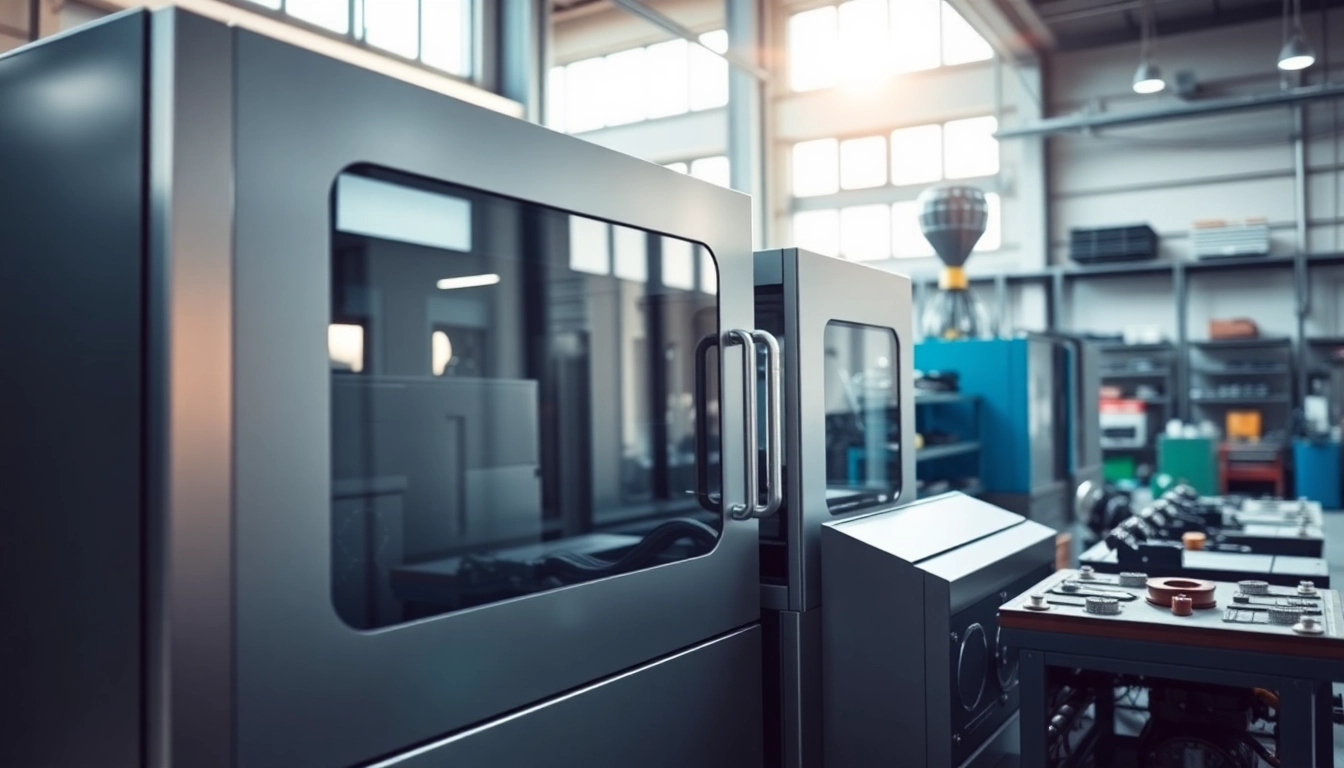
A plastic injection molding machine is a machine used to manufacture plastic products through an injection molding process. The machine operates by melting plastic material, injecting it into a mold, and allowing it to cool and solidify into the desired shape. This method is highly regarded for its ability to produce high volumes of parts quickly and consistently, making it ideal for both small and large-scale production.
Key Components and Their Functions
Understanding the components of a plastic injection molding machine is crucial for grasping how these machines operate:
- Injection Unit: This is where the raw plastic material is melted and injected into the mold. It includes a hopper for feeding plastic pellets, a barrel for melting, and a screw for injecting.
- Clamping Unit: This unit is responsible for holding the mold in place during the injection process. It uses a clamping force to keep the mold closed while the molten plastic is injected.
- Control System: The control system manages the machine’s operation, including temperature, injection speed, and pressure. Modern machines often feature advanced software for improved monitoring and control.
- Mold: The mold is the cavity that shapes the molten plastic into the desired part. Molds can be complex, with multiple cavities to produce several parts in one cycle.
How Plastic Injection Molding Works
The injection molding process can be broken down into several key steps:
- Material Preparation: Plastic pellets are fed into the injection unit's hopper, where they are heated and melted.
- Injection: Once melted, the plastic is injected into the mold under high pressure.
- Cooling: The molten plastic cools and solidifies within the mold, taking its shape.
- Unclamping: The clamping unit releases the mold, allowing the finished part to be ejected.
- Repeat: The process can be repeated quickly to produce large quantities of parts.
Benefits of Electric Injection Molding Machines
Electric injection molding machines are increasingly popular in the industry due to their numerous advantages over traditional hydraulic machines.
Energy Efficiency in Production
Electric machines typically consume less energy compared to hydraulic machines. This is primarily due to their precise control over the injection process, which reduces energy waste. By utilizing servo motors for movement, electric machines can adjust their power consumption based on the production cycle, leading to significant cost savings over time.
Improved Accuracy and Precision
The use of advanced drive control technology in electric injection molding machines allows for enhanced accuracy in both position and pressure control. This leads to improved part consistency and reduces the chances of defects, making these machines ideal for high-precision applications.
Reduced Environmental Impact
Electric machines are generally more environmentally friendly than their hydraulic counterparts. They generate less noise and emit fewer pollutants, aligning with modern manufacturing's focus on sustainability. Additionally, many electric models are designed to minimize plastic waste during the production process by optimizing the injection cycle.
Choosing the Right Injection Molding Machine Series
When selecting a plastic injection molding machine, understanding the different series available can help tailor choices to specific production needs.
Comparison of TEII, TMII, and TH Series
Topstar offers several series of injection molding machines, each designed for varying application requirements:
- TEII Series: This all-electric series offers high rigidity and stability, with a modular design that adapts to various working conditions.
- TMII Series: Known for its servo-driven technology, this series emphasizes automation and real-time feedback for integrated production processes.
- TH Series: Focused on direct press technology, this series includes configurations for both small and large applications, catering to diverse production needs.
Factors to Consider Based on Production Needs
When choosing a machine, consider factors such as:
- Production volume: High-volume production may benefit from the speed and efficiency of electric or servo-driven machines.
- Part complexity: Complex molds might require machines with advanced features for precise control.
- Material types: Different plastics may dictate the choice of machine based on melting and injection characteristics.
Customization Options for Different Industries
Many manufacturers offer customization options for injection molding machines to suit specific industry requirements, such as:
- High temperature and pressure capabilities for specialized materials.
- Specialized molds for unique part designs.
- Integration with robotics for automated production lines.
Challenges in Injection Molding Processes
Despite the advantages of modern injection molding machines, there are still challenges manufacturers face during the production process.
Common Issues and Their Solutions
Some common challenges include:
- Mold wear: Regular maintenance and selecting high-quality materials can mitigate this issue.
- Cycle time optimization: Fine-tuning parameters within the control system can help reduce cycle times and increase efficiency.
- Production defects: Regular quality control checks and process adjustments are crucial to minimizing defects.
Understanding Molding Defects
It's essential to recognize various molding defects that can occur, such as:
- Short shots: Caused by insufficient material in the mold.
- Sink marks: Resulting from uneven cooling of the material.
- Flow lines: Visible lines on the surface of the molded part indicating issues with material flow.
Adapting to Changing Technology and Materials
The industry continually evolves with new materials and technologies. Staying updated on these changes, especially regarding biodegradable plastics and advanced composites, can significantly enhance production capabilities.
The Future of Injection Molding Machines
The landscape of injection molding is set to transform further as technology advances and industry demands shift.
Emerging Trends for 2025 and Beyond
Future trends may include:
- Increased automation: Enhanced integration with robotics for more streamlined production processes.
- Smart manufacturing: Integration of IoT devices for real-time data analysis and machine diagnostics.
- Advanced materials: The use of new materials that offer greater strength and flexibility will expand product possibilities.
Integration with Robotics and Automation
As manufacturers aim for higher efficiency, integrating injection molding machines with robotics will become increasingly standard. This integration can reduce human error, increase safety, and improve production speeds.
Advancements in Materials and Techniques
Future advancements in injection molding materials will likely focus on sustainability and performance. Discovering new ways to use recycled materials or create bio-based plastics will be crucial in reducing the environmental impact of manufacturing processes.