Understanding Epoxy Flooring: Benefits and Applications
Epoxy flooring is rapidly emerging as a preferred choice for homeowners and businesses alike, and for good reason. Not only does it provide a durable and aesthetically pleasing surface, but the versatility of epoxy allows it to be used in a variety of settings, from garages to commercial spaces. As you explore the various options available, ElevateEpoxyFlooring.com offers comprehensive insights into the advantages and applications of epoxy flooring.
What is Epoxy Flooring?
Epoxy flooring involves a resin-based material that is applied over concrete to create a hard, durable surface. This resin is composed of two main components: an epoxide resin and a hardener. When mixed together, they form a polymer compound that is not only strong but also resistant to various forms of damage, such as chipping, cracking, and staining.
Advantages of Choosing Epoxy for Your Space
- Durability: Epoxy flooring can withstand heavy traffic, making it ideal for commercial spaces and garages.
- Low Maintenance: The non-porous surface is easy to clean and requires minimal upkeep.
- Design Flexibility: Available in a variety of colors and finishes, epoxy flooring can be tailored to fit any aesthetic.
- Safety Features: Epoxy can be formulated to include anti-slip additives, enhancing safety in high-traffic areas.
- Cost-Effective: Compared to other flooring options, epoxy provides a long-lasting solution that often requires less frequent replacement.
Common Applications and Use Cases of Epoxy Flooring
Epoxy flooring is used in a variety of environments including:
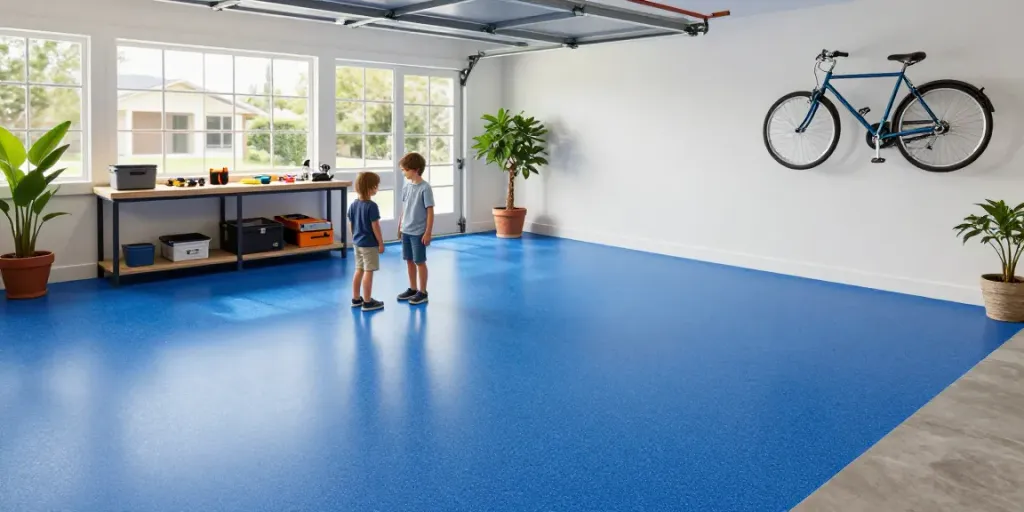
- Residential Garages: Transforming drab concrete into a vibrant and functional space.
- Commercial Warehouses: Where sturdiness and safety are paramount.
- Hospitals and Labs: Clean, sterile environments that benefit from epoxy’s seamless surface.
- Retail Spaces: Where design can enhance customer experience.
- Manufacturing Facilities: Resistant to chemicals and heavy traffic.
Color Choices: The Flakes Color Chart Explained
Overview of Popular Flake Colors
One of the most appealing features of epoxy flooring is its customization potential, especially with flake colors. Flakes can be added to the epoxy mix to create a unique appearance that enhances the overall aesthetic of the space. Popular flake color options include:
- Gray: A classic choice that complements nearly any décor.
- Blue: Offers a vibrant touch, perfect for accentuating features.
- Red: Ideal for creating a striking and energetic atmosphere.
- Green: Provides a refreshing, nature-inspired look.
- Speckled Mix: Combines multiple colors for a dynamic finish.
How to Choose the Right Color for Your Project
Selecting the right color for your epoxy flooring project requires careful consideration of several factors:
- Purpose: Consider how the space will be used and the ambiance you wish to create.
- Lighting: Natural and artificial lighting can significantly affect color perception.
- Existing Décor: Ensure the color complements your space’s existing design elements.
- Personal Preference: Ultimately, choose a color that resonates with you and reflects your style.
Best Selling Colors and Trends for 2026
As we head into 2026, emerging color trends in epoxy flooring are leaning towards earthy tones and pastel shades that promote calm and serenity. These colors are proving popular not only for residential spaces but also in workplaces as businesses strive to create more relaxed environments for their employees.
Installation Process: Step-by-Step Guide
Preparing Your Surface for Epoxy Application
Before applying epoxy, proper surface preparation is crucial to ensure a successful and long-lasting finish. The process typically involves:
- Cleaning: Remove all contaminants such as dirt, grease, and wax.
- Repairing: Fill cracks and holes in the concrete surface to achieve a smooth finish.
- Grinding: Mechanically prepare the surface to improve adhesion of the epoxy.
Applying the Epoxy and Flake Finish
The application process consists of several key steps:
- Mixing: Combine the epoxy resin and hardener according to manufacturer instructions.
- Priming: Apply a primer coat to enhance adhesion.
- Layering: Pour the epoxy and spread it evenly, followed by sprinkling the flake finish.
- Curing: Allow the floor to cure for the recommended time before placing any heavy objects on it.
Post-Installation Care and Maintenance Tips
To ensure your epoxy floor remains in great condition, follow these maintenance tips:
- Regular Cleaning: Dust and mop frequently to prevent buildup.
- Spill Management: Clean spills immediately to avoid staining.
- Avoid Harsh Chemicals: Use gentle cleaners to protect the epoxy surface.
Environment and Safety: VOC-Free Materials
The Importance of Using VOC-Free Products
Volatile Organic Compounds (VOCs) are chemicals found in many building materials that can contribute to indoor air pollution. By choosing VOC-free epoxy products, you can significantly reduce health risks associated with poor air quality.
Health Benefits of VOC-Free Epoxy Flooring
Utilizing VOC-free materials not only makes your environment safer but also improves overall well-being. Benefits include:
- Reduced Allergens: Less chance of allergic reactions and respiratory issues.
- Better Air Quality: Promotes a healthier indoor atmosphere.
- Long-Term Safety: Protects the health of both residents and workers.
Environmental Impact and Sustainability Practices
Opting for eco-friendly products, such as VOC-free epoxy, supports sustainability practices that help protect the environment. By minimizing harmful emissions, we can contribute to cleaner ecosystems and promote responsible manufacturing processes.
Future Trends: Where Epoxy Flooring is Heading in 2026
Innovations in Epoxy Flooring Technology
The epoxy flooring industry is witnessing a surge in technological advancements aimed at enhancing product durability, ease of application, and design options. Innovations such as self-leveling formulations and high-performance coatings are paving the way for new possibilities.
Emerging Design Trends in Epoxy Applications
In 2026, design trends will lean towards minimalistic styles with a focus on using color to create depth and character within spaces. A rise in custom patterns and the incorporation of natural textures in epoxy applications are expected to gain popularity.
Predictions for the Epoxy Flooring Market in 2026
The epoxy flooring market is projected to grow significantly in the coming years, driven by increased demand across various sectors, including residential, commercial, and industrial. As awareness of the benefits of epoxy continues to rise, investment in this flooring solution is likely to escalate.
What are the main benefits of epoxy flooring?
The main benefits include durability, low maintenance, design flexibility, and cost-effectiveness, making it suitable for both residential and commercial applications.
How do I maintain my epoxy floor?
Regular cleaning, immediate spill management, and avoiding harsh chemicals are key to maintaining the integrity of your epoxy floor.
Are VOC-free materials really safer for my home?
Yes, VOC-free materials significantly reduce indoor air pollution, promoting a healthier living environment.
What colors are trending for epoxy flooring?
Current trends lean towards earthy tones and pastels, which create serene spaces and promote calmness.
How long does epoxy floor installation typically take?
Installation time can vary but typically ranges from one to two days, depending on preparation and curing times.