
Introduction to Sports Broadcasting
Defining Sports Broadcasting
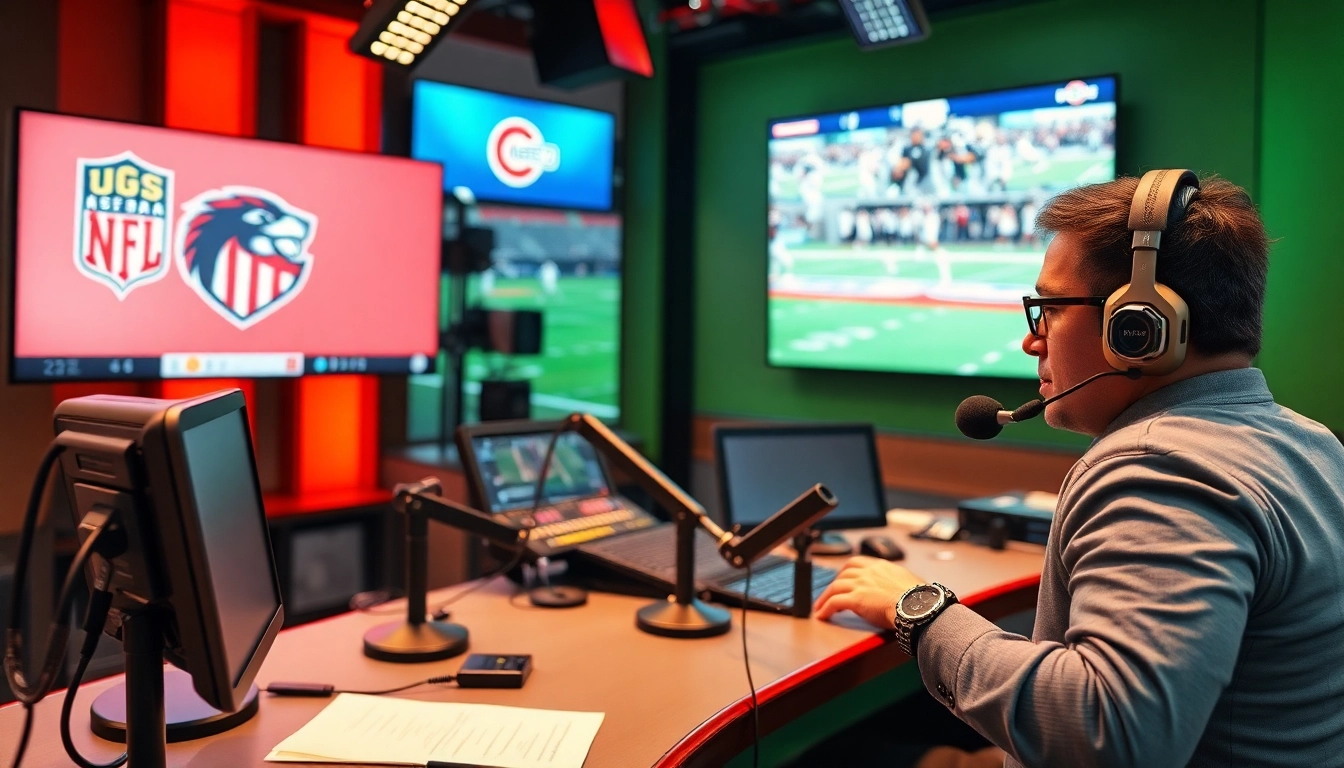
Sports Broadcasting encompasses the transmission of sports events through various media channels, including television, radio, and online platforms. It serves as a bridge, connecting fans with the excitement of live sports, from local games to global tournaments. By delivering real-time action to viewers, Sports Broadcasting plays a crucial role in the sports industry, impacting how audiences engage with their favorite teams and athletes.
Historical Overview of Sports Broadcasting
The roots of sports broadcasting can be traced back to the early 20th century with the advent of radio. The 1920s saw the first live broadcasts of sports events, including the Rose Bowl and boxing matches. Television came into the picture in the 1930s, revolutionizing the industry as visual mediums enhanced audience engagement. By the 1960s, major events like the Super Bowl were being broadcasted nationwide, marking the inception of sports as a TV spectacle.
Throughout the decades, sports broadcasting has evolved with technological advancements, transitioning from black-and-white television to high-definition and now to live streaming platforms. This evolution reflects changing consumer preferences and technological capabilities, redefining how audiences consume sports.
The Evolution of Sports Broadcasting Technologies
Sports broadcasting technologies have undergone significant advancements. Initially, broadcasts relied on audio commentary and basic visuals. The introduction of color television in the 1950s brought a new dimension to sports viewing, while satellite and cable services expanded access to regional and national games.
Today, digital technologies are at the forefront, with streaming services offering on-demand access to a plethora of sports events. Technologies like 4K resolution and immersive audio systems enhance viewer experiences, while data analytics inform broadcasters on audience preferences, helping them tailor content to enrich engagement further.
Current Trends in Sports Broadcasting
Live Streaming and Digital Platforms
Live streaming has transformed how fans watch sports. Traditional broadcasting schedules have been supplemented, or in some cases replaced, by platforms that allow viewers to watch games wherever and whenever they want. Major sports leagues have partnered with streaming services, providing exclusive access to entire seasons, which enhances viewer flexibility.
This trend shifts the power to the consumer, who now can choose their viewing experience. Moreover, innovative features such as multiple camera angles, real-time statistics, and interactive elements are common in digital broadcasts, making the experience even more engaging.
Integration of Social Media in Sports Broadcasting
Social media has become an integral part of sports broadcasting. Platforms like Twitter, Facebook, and Instagram serve not only as promotional tools but also as channels for real-time interaction during broadcasts. Fans can share their thoughts instantaneously, creating a sense of community that enhances their viewing experience.
This integration allows broadcasters to use user-generated content, such as fan reactions and highlights, during live programming. It reinforces viewer engagement, contributing to a dynamic and interactive broadcast environment that deeply resonates with digital-savvy audiences.
Enhancements through Virtual and Augmented Reality
Virtual and Augmented Reality (VR and AR) technologies are becoming game-changers in sports broadcasting. These technologies enable immersive viewing experiences by allowing fans to place themselves virtually in the middle of the action. For instance, VR can simulate the experience of being in stadium seats, while AR can overlay statistics and player information during games.
This immersive technology enriches viewer engagement and offers an innovative way for fans to connect with their favorite sports, leading to increased loyalty and deeper connections to the teams and events they follow.
Key Challenges in Sports Broadcasting
Navigating Copyright Issues
Copyright laws pose significant challenges in sports broadcasting. Sports leagues and organizations must ensure that they secure the rights to broadcast events, which can be complicated due to international agreements and licensing issues. This can lead to conflicts that affect content availability and audience reach.
Staying compliant requires a proactive approach, often involving legal teams that navigate the complexities of media laws, making it essential for sports broadcasters to remain informed and adaptable to evolving legal landscapes.
Adapting to Viewer Preferences
The landscape of viewer preferences is continually shifting. With younger audiences increasingly favoring digital content over traditional broadcasting, sports broadcasters must adapt to these changes. This includes offering content through multiple platforms, with a focus on engagement strategies that resonate with younger viewers.
Understanding viewer demographics and their specific preferences, such as when and how they consume content, is critical. This can shape programming decisions and the development of content strategies that capture and retain audience attention.
Addressing Technological Barriers
As technology evolves, so do the tools and platforms used in sports broadcasting. However, continuous technological advancements present challenges, particularly for smaller broadcasters. Insufficient infrastructure can hinder the ability to deliver high-quality content, limiting audience reach and engagement.
To overcome these barriers, investing in robust technologies, training personnel, and exploring partnerships with tech companies can provide broadcasters with the resources needed to remain competitive and effectively meet audience expectations.
Best Practices for Effective Sports Broadcasting
Engaging the Audience
Engagement is key in sports broadcasting. Broadcasters should create an interactive viewing experience that encourages audience participation. Using polls, live Q&A sessions, and social media integration can amplify viewer involvement. Creating content that resonates with fans, such as behind-the-scenes footage and player interviews, can also enhance their connection with the events being broadcasted.
Utilizing Data Analytics
Data analytics provides invaluable insights into audience behavior. By analyzing viewing patterns, demographics, and engagement metrics, broadcasters can tailor content to meet audience needs. This data-driven approach not only helps in programming decisions but also informs marketing strategies to attract new viewers and retain existing ones.
Improving Broadcast Quality
Quality remains paramount in sports broadcasting. Investing in cutting-edge technology for visual and audio quality can drastically improve viewer experiences. Training crews to operate new technologies effectively is also crucial in maintaining high standards. Regular monitoring of broadcast quality and making adjustments based on viewer feedback can further enhance the overall experience.
Future Outlook for Sports Broadcasting
Emerging Technologies to Watch
The future of sports broadcasting will be heavily influenced by emerging technologies such as Artificial Intelligence (AI) and 5G connectivity. AI can automate content curation and personalized recommendations, enhancing viewer experiences. Meanwhile, 5G technology will enable faster data transmission, allowing for high-quality streaming even in crowded environments, such as stadiums.
Potential Market Growth
As viewer preferences continue to evolve, the market for sports broadcasting is poised for growth. With the increasing demand for content across various platforms, broadcasters who adopt flexible strategies that cater to both traditional and digital audiences will likely see significant opportunities. Investment in infrastructure and innovation will be crucial for sustaining this growth.
Adapting to Global Sports Trends
Sports broadcasting must adapt to global sports trends, including the growing popularity of esports and international sporting events. Broadcasters should explore partnerships and collaborations that expand their reach into diverse markets. Understanding global audiences' nuances and preferences can provide insights that shape tailored content strategies, ensuring relevance and engagement across different demographics.
FAQs about Sports Broadcasting
What is Sports Broadcasting?
Sports Broadcasting is the live telecasting of sports events through various media, including television, radio, and digital platforms, allowing fans to watch games in real-time.
How has technology influenced Sports Broadcasting?
Technological advancements have improved audio-visual quality, expanded access through streaming platforms, and integrated interactive features, enhancing viewer engagement.
What are the major challenges facing Sports Broadcasting?
Major challenges include copyright compliance, adapting to changing viewer preferences, and overcoming technological barriers, particularly for smaller broadcasters.
How can data analytics be utilized in Sports Broadcasting?
Data analytics helps understand audience behaviors, guiding content choices, marketing efforts, and enhancing viewer engagement through tailored experiences.
What does the future hold for Sports Broadcasting?
The future of Sports Broadcasting looks promising with emerging technologies like AI and 5G, potential market growth, and the need for adaptation to global sports trends.