
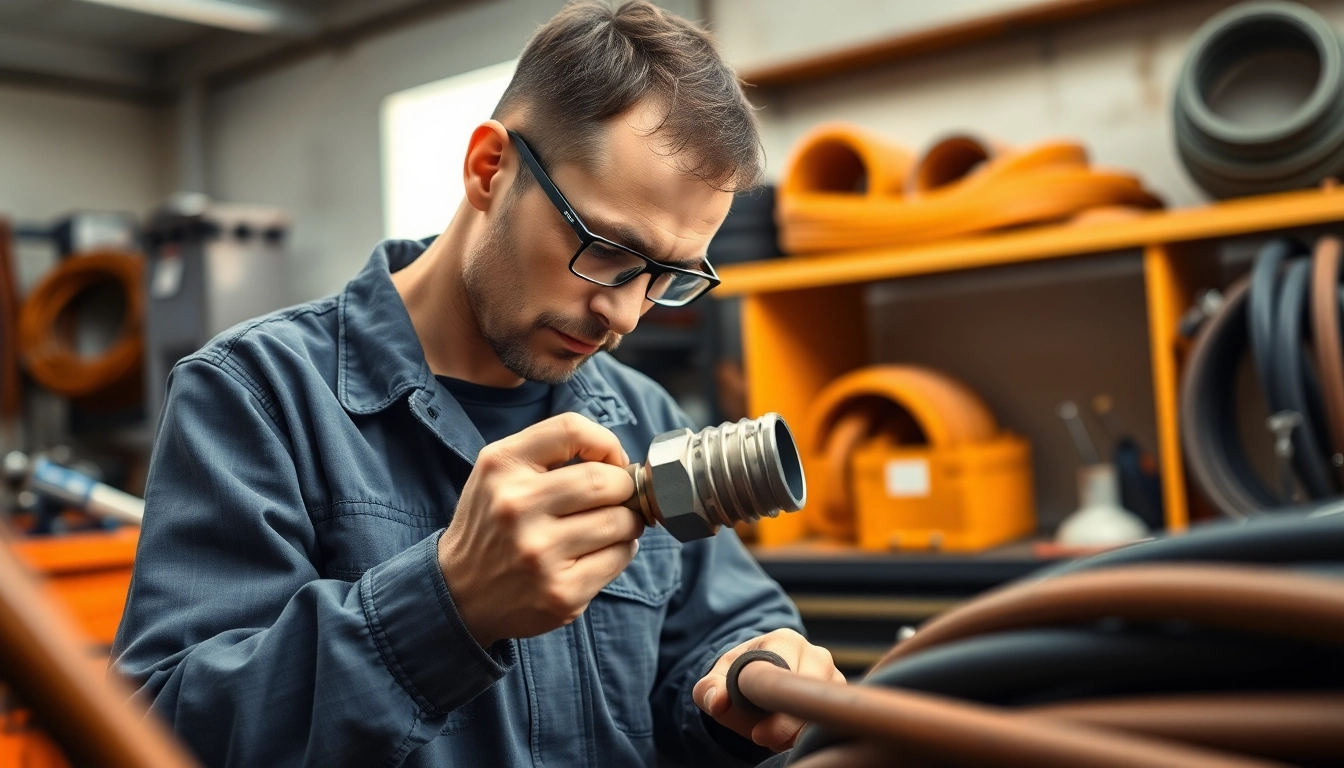
Understanding Hydraulic Hose Repair
Definition of Hydraulic Hose Repair
Hydraulic hose repair refers to the process of fixing or replacing damaged hydraulic hoses that are vital components in various hydraulic systems. These hoses transport hydraulic fluid under high pressure, allowing machinery to operate efficiently. Timely and effective repairs are crucial to maintaining functionality and safety in equipment that relies on hydraulics.
Importance of Timely Repairs
Delaying hydraulic hose repair can lead to severe operational issues, including system failures and safety hazards. When hoses are damaged, fluid leaks can occur, leading to pressure loss, inefficient machinery, and increased operational costs. Additionally, hydraulic fluid can pose environmental hazards if spilled. Addressing issues promptly not only ensures smoother operation but also extends the lifespan of your hydraulic systems.
Common Causes of Hydraulic Hose Damage
Hydraulic hoses can suffer damage due to several factors:
- External Wear: Abrasion from contact with other objects can wear down hose material.
- Heat Exposure: High temperatures can degrade hose materials, causing them to crack or swell.
- Pressure Surges: Sudden pressure increases can lead to rupturing or bursting of hoses.
- Improper Installation: Incorrect fittings or routing may lead to damage during operation.
- Age and Material Fatigue: Over time, hoses can degrade due to constant exposure to fluids and pressure cycles.
Signs You Need Hydraulic Hose Repair
Identifying Leaks and Cracks
One of the most obvious signs that a hydraulic hose needs repair is the presence of leaks or visible cracks. Hydraulic fluid leakage can often be observed under machinery or equipment, which indicates a breach in the hose integrity. Regularly inspecting hoses for dampness, fluid stains, or visible cracks is essential in identifying issues before they escalate.
Performance Issues in Machinery
A decline in the performance of machinery can signal underlying hydraulic hose issues. If equipment is sluggish, struggles to operate under load, or experiences unexpected shutdowns, the hydraulic system needs thorough inspection. Performance issues can directly relate to pressure loss caused by damaged hoses, leading to machinery underperforming.
Inspection Techniques for Hoses
Effective inspection techniques can help identify problems early. Regularly check hoses for:
- Visual Inspections: Look for signs of wear and tear, such as cracks or chafing.
- Pressure Testing: Assess the hose’s ability to withstand operational pressures.
- Flexibility Tests: Gently bend the hose to ensure it is pliable and not hardened.
Tools and Materials for Hydraulic Hose Repair
Essential Tools for Effective Repairs
Having the right tools is crucial for successfully repairing hydraulic hoses. Essential tools include:
- Hose Cutter: For cutting damaged hoses cleanly and precisely.
- Crimping Tool: Essential for securing fittings onto hoses.
- Flare Tool: Used for shaping hose ends to fit securely with fittings.
- Wrenches: For tightening or loosening fittings.
- Safety Equipment: Including gloves and eye protection to ensure personal safety during repairs.
Choosing the Right Hose and Fittings
Choosing the appropriate hydraulic hose and fittings is crucial to ensure compatibility with the hydraulic system. Consider factors such as:
- Pressure Ratings: Ensure the hose can handle the maximum expected pressure.
- Fluid Compatibility: Confirm that hose materials are compatible with the type of hydraulic fluid used.
- Size and Length: Measure dimensions accurately to prevent installation issues.
Safety Precautions While Repairing
Safety should always take precedence during any hydraulic hose repair operation. Follow these precautions:
- Release Pressure: Always ensure the system is depressurized before starting repairs.
- Use Proper PPE: Personal protective equipment such as gloves and glasses is necessary.
- Be Mindful of Fluid: Avoid contact with hydraulic fluid and ensure spills are cleaned immediately.
Step-by-Step Guide to Hydraulic Hose Repair
Preparation and Shutdown Procedures
Before beginning any repair work, proper preparation is critical. Follow these steps:
- Assess the Damage: Determine the extent of the damage to know how to proceed.
- Shut Down Equipment: Safety first—ensure the machinery is turned off and isolated.
- Depressurize System: Release any residual pressure in the hydraulic system before repairs.
Cutting and Fitting New Hoses
Once preparations are complete, proceed with the repair:
- Replace Damaged Section: Using a hose cutter, remove the damaged portion cleanly.
- Select the New Hose: Choose an appropriate replacement hose based on your assessments.
- Crimp Fittings: Attach the fittings to the new hose securely using a crimping tool.
Testing and Quality Checks Post-Repair
After completing repairs, it’s critical to ensure that the system is functioning correctly:
- Repressurize System: Gradually restore pressure and monitor closely for leaks.
- Operational Checks: Run the system through its normal operations to confirm performance.
- Inspections: Continue to check for any visible signs of leaks or issues after repairs.
Frequently Asked Questions about Hydraulic Hose Repair
How long does hydraulic hose repair take?
The time required for hydraulic hose repair varies but typically ranges from 30 minutes to a few hours, depending on the damage’s complexity and equipment access.
What are the costs associated with hydraulic hose repair?
Costs for hydraulic hose repair can vary widely. Factors include materials, labor, and the type of hydraulic system, generally ranging from $100 to $500 or more.
Can I repair a hydraulic hose myself?
Yes, if you have the proper tools and knowledge, you can repair hydraulic hoses. However, ensure safety precautions are followed to avoid injury.
How do I prevent future hose damage?
To prevent future damage, regularly inspect hoses, ensure proper routing and installation, and use high-quality materials that suit your application’s needs.
When should I replace rather than repair?
Replace a hydraulic hose instead of repairing it if the damage is extensive, affecting structural integrity or if the hose is too old, posing a significant risk of failure.
Contact Information
Call Us: 1 780-452-2876
Email: [email protected]
Address: 13111 159 St NW, Edmonton, AB, Canada, T5V 1H6