
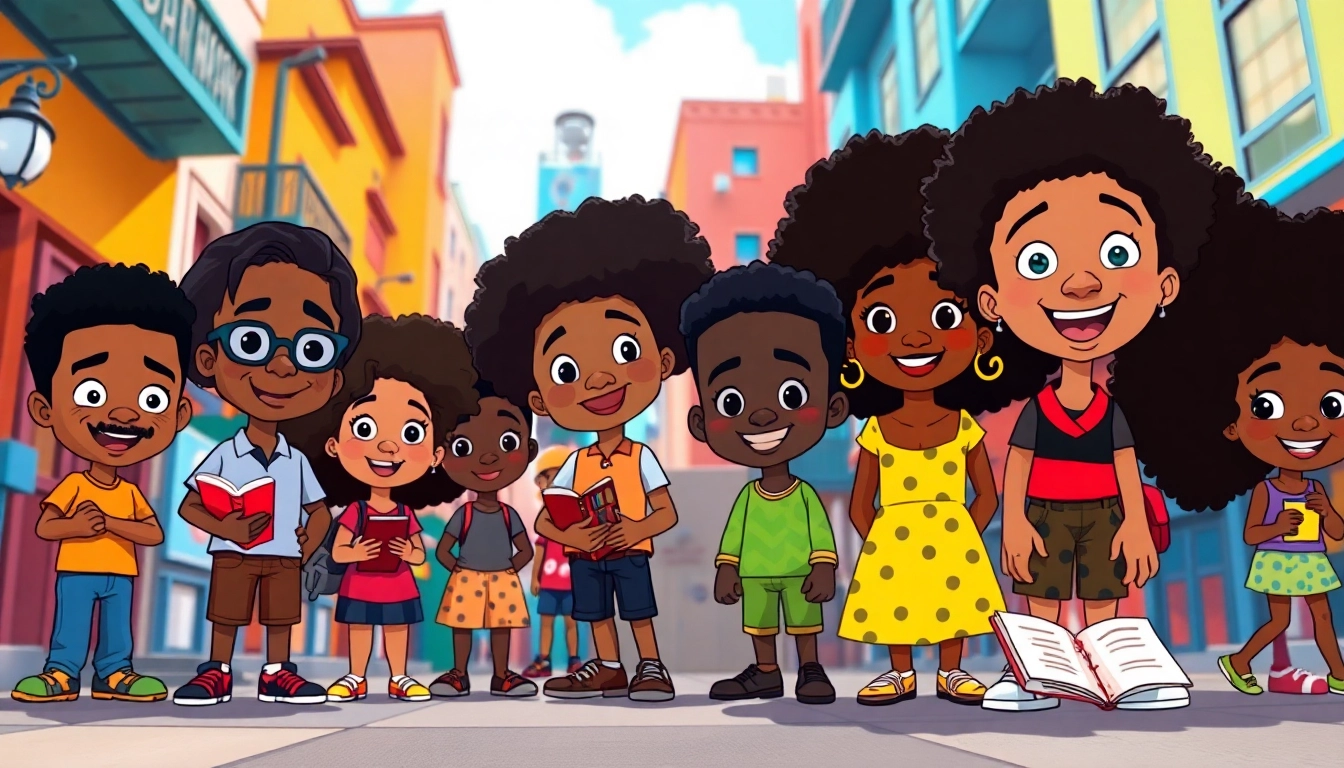
Understanding African American Cartoons
African American cartoons occupy a vital space in animation history, not only for their entertainment value but also for their ability to reflect cultural narratives and empower communities. From the early days of animation to contemporary series, these cartoons have evolved to convey stories, themes, and characters that resonate with the African American experience. In this exploration of African American cartoons, we’ll delve into the historical context, key themes, and the impact of cultural influences on animated storytelling, offering insights into how these works foster representation and understanding. For a deeper dive into this rich topic, African American Cartoons provide an array of options to explore.
The Historical Context of African American Animation
The journey of African American representation in animation began long before the creation of recognizable characters. Early depictions were often steeped in racial stereotypes, limiting the complexity of Black characters to caricatures. However, as societal awareness grew, so did the push for authentic representation. The late 20th century saw a paradigm shift, with creators like Aaron McGruder, who crafted “The Boondocks,” challenging the status quo and providing a platform for conversations about race and identity. Understanding this historical backdrop is crucial for appreciating the depth of today’s offerings in African American animation.
Key Themes and Messages in African American Cartoons
Many African American cartoons weave in themes of community, resilience, and identity. Shows like “The Proud Family” spotlight family dynamics and social issues through a comedic lens, while “Doc McStuffins” encourages young viewers to embrace their aspirations, reflecting broader themes of empowerment and representation. Such narratives not only entertain children but also educate them on cultural values and the importance of empathy.
The Influence of Culture on Animated Storytelling
Culture serves as a rich source of inspiration for animated storytelling. The incorporation of African American vernacular, music, and folklore into animated series creates a unique viewing experience that reflects the intricacies of Black life. The popularity of series like “Craig of the Creek” showcases the importance of nurturing friendships and cultural heritage, drawing from the experiences of young African Americans as they navigate their environments.
Top African American Cartoons for Kids
When considering animated content for children, it is vital to choose shows that provide quality entertainment while also promoting positive life lessons and representation. Here are some top selections that embody these values.
Educational Content in Popular Shows
Educational programming such as “Little Bill” and “Wonder Pets” emphasizes problem-solving and teamwork. These series not only entertain but also engage children in critical thinking through relatable scenarios. Moreover, initiatives like “Sesame Street” have integrated African American characters like Elmo’s friend, a nod to the importance of diversity in children’s programming.
Characters Who Promote Positive Representation
Characters such as Doc McStuffins and the protagonists of “The Proud Family” serve as positive role models. They empower viewers to aspire to their dreams and embrace their identities. These portrayals help normalize conversations about race, ambition, and the diversity of experiences within the Black community, fostering self-acceptance and pride.
Modern Series That Embrace Diversity
Current series are making significant strides in diversity representation. “The Loud House” includes a range of characters from various backgrounds, including African American family dynamics, while “Motown Magic” introduces children to the culture of Motown music through animated storytelling. Such shows are key in teaching the younger generation about different cultures and the richness they bring to the community.
Iconic Characters in African American Animation
The impact of African American characters in animation extends beyond entertainment; they serve as cultural icons, influencing generations and promoting social discourse.
Exploring the Legacy of Black Animated Characters
Characters like Huey and Riley Freeman from “The Boondocks” have sparked conversations about race, politics, and social justice. These characters are not merely fictional; they serve as reflections of societal issues, prompting audiences to reflect on their own environments.
Comparison of Characters Across Decades
From the jazz-infused antics of “Fat Albert” to the modern critiques offered in “Black Dynamite,” the evolution of African American cartoon characters mirrors broader social changes. Each era brings new themes that reflect the concerns and aspirations of their times, highlighting a progression towards more nuanced and representative portrayals.
Impact on Generations of Viewers
Character portrayals can have profound effects on audience perceptions. By presenting relatable and complex figures, African American cartoons offer young viewers positive identities while also bridging cultural divides. The influence on generations has fostered a greater sense of understanding and appreciation for diversity in storytelling.
The Evolution of African American Cartoons
The landscape of African American cartoons has dramatically changed since their inception, showcasing significant cultural and technological advancements.
Changes in Themes and Representation Over Time
Initially characterized by simplistic depictions, African American cartoons have progressively embraced more intricate themes that tackle real-life issues. This evolution illustrates a shift towards deeper storytelling that values authenticity over stereotypes.
Technological Advances and Animation Styles
With the rise of digital animation technologies, creators can explore diverse styles and narratives. Today, projects can employ vibrant visuals that attract young audiences while addressing significant cultural matters—an advancement over the traditional methods used in earlier animations.
Emerging Trends in African American Animation
The future holds promise for even greater diversity in storytelling. With increased support for Black creators in the animation industry, new series are emerging that feature unique perspectives and experiences, broadening the narrative scope for future generations.
Future of African American Cartoons in 2026
As we look towards the future, the potential for African American cartoons is vast, driven by innovation in storytelling and animation techniques.
Innovations in Storytelling and Animation Techniques
The animation industry is leaning towards more interactive formats where audiences can engage with the narrative. This interactivity fosters a deeper connection between viewers and characters, especially in stories that challenge societal norms and values.
Predictions for New Character Developments
Emerging characters are likely to reflect a broader spectrum of experiences, showcasing the nuances of varied identities within the African American community. These representations promise to engage young viewers in discussions about race, culture, and self-identity.
The Growing Importance of Diversity in Animation
As audiences continue to demand more inclusive content, the animation industry is responding by prioritizing diverse stories. The impact of African American cartoons will not only enrich the entertainment landscape but also promote inclusivity and understanding across society. This trend towards diversity reflects broader cultural shifts, reinforcing the importance of representation in all forms of media.