
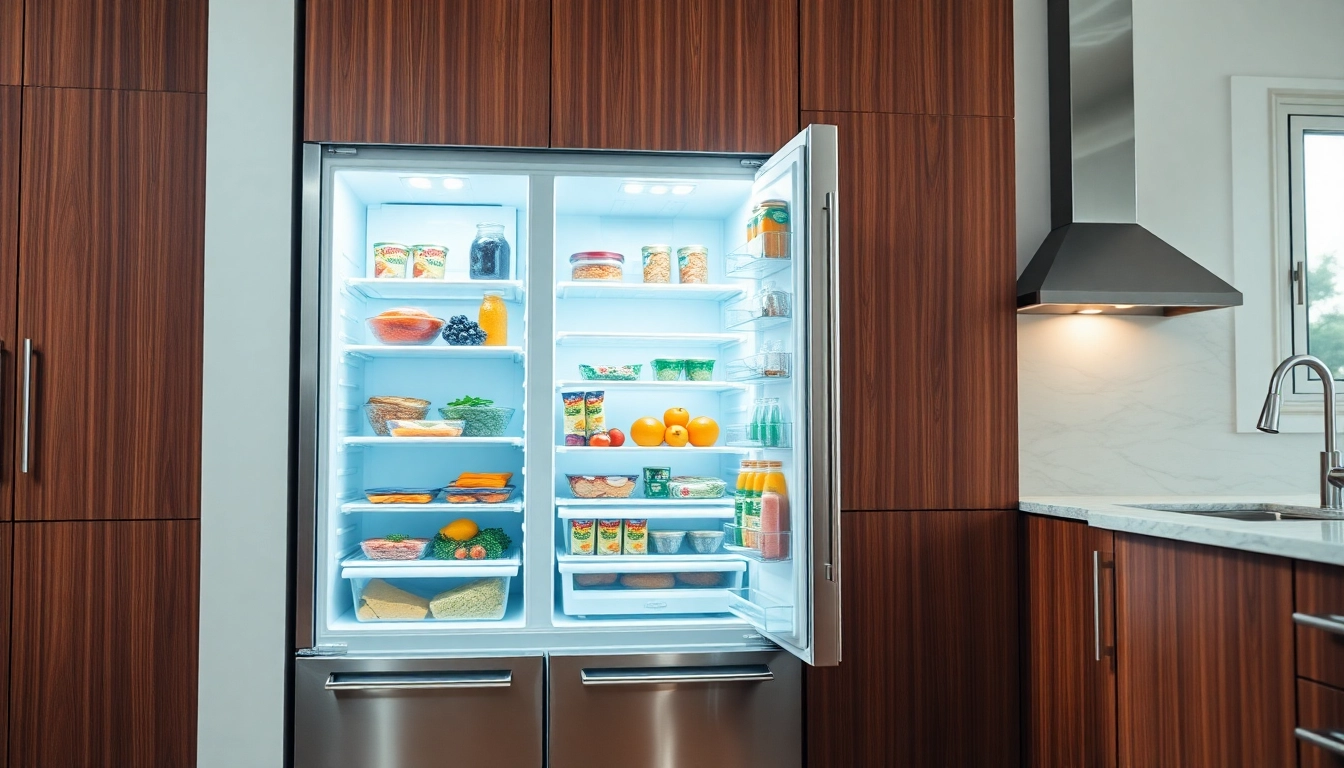
Understanding the Importance of a Well-Organized Freezer
A well-organized Freezer serves as a reliable ally in the kitchen, ensuring that ingredients remain fresh and accessible while reducing food waste. Many people overlook the significance of organizing their freezers, but a little effort in this area can provide substantial benefits. Understanding these benefits not only boosts your culinary efficiency but also enhances your overall food storage experiences.
Why Freezer Organization Matters
When freezers are disorganized, it can lead to multiple issues. Foods can become unidentifiable or overlooked, leading to unnecessary waste. Disorganization can also make it challenging to locate specific items during meal prep, causing frustration and prolonging cooking times. Additionally, an uncluttered freezer can improve air circulation, maintaining optimal temperatures and helping food retain its quality for more extended periods.
Common Freezer Issues and Solutions
Some common problems associated with freezer disorganization include:
- Freezer Burn: This occurs when food is exposed to air, leading to dehydration and oxidation.
- Difficulty Finding Items: A chaotic freezer can make it hard to locate what you need fast.
- Inconsistent Temperatures: Items piled upon each other may block airflow, leading to uneven cooling.
To combat these issues, implement strategic organization methods such as labeling, categorization, and appropriate storage solutions. By tackling the root causes, you can maintain an efficient and functional freezer.
Benefits of a Streamlined Approach
Adopting a streamlined organizational approach brings numerous advantages:
- Time-Saving: Quickly find what you need when you need it.
- Cost-Effective: Reduce food spoilage and maximize your food investment.
- Enhanced Meal Planning: Easily access pre-prepared meals, simplifying the cooking process.
Ultimately, a well-organized Freezer not only saves time and money but also enhances your cooking experience, allowing for creative culinary ventures.
Essential Tips for Freezer Organization
Labeling and Categorization Techniques
Effective labeling and categorization are vital components of a well-organized freezer. Utilize freezer-safe labels to mark items with the name and date of storage. Categorizing foods such as meats, vegetables, and prepared meals can simplify the search process. Consider using color-coded labels for different categories, making it even easier to locate your favorites effortlessly.
Best Storage Containers for Freezer
Choosing appropriate storage containers can prolong the freshness of your food. Look for airtight containers or freezer bags specifically designed for freezing. Glass containers are an excellent option as they are reusable, reduce plastic waste, and do not absorb odors. Additionally, use heavy-duty plastic wrap or aluminum foil as extra protection against freezer burn.
Utilizing Space Efficiently
Maximizing freezer space can significantly affect accessibility and organization. Utilize vertical space by stacking containers and utilizing bins for loose items. Implement a “first in, first out” (FIFO) method, giving priority to older items to ensure they are used before newer ones. Consider adjustable shelving if your freezer permits, allowing for customized space based on the items you store.
Choosing the Right Type of Freezer
Main Types of Freezer and Their Uses
There are various types of freezers suitable for different needs:
- Upright Freezers: These freezers resemble a standard refrigerator. They offer easy access but may have slightly less energy efficiency.
- Chest Freezers: Offering more storage capacity and better energy efficiency, they require bending to access items.
- Drawer Freezers: Built into kitchen cabinetry, these options provide convenient storage but generally come at a higher price.
Factors to Consider When Buying a Freezer
When selecting a freezer, consider factors such as size, energy efficiency, and additional features like frost-free options. A freezer that suits your household’s dietary habits and storage capacity will provide the best service. For families, a larger capacity may be paramount, while singles or couples might find smaller, energy-efficient models more suitable.
Energy Efficiency in Freezers
Opting for an energy-efficient Freezer can lead to long-term savings on your utility bill. Check for the ENERGY STAR label, which guarantees that your freezer meets energy efficiency standards. Additionally, consider the freezer’s size — larger freezers consume more energy. Implementing best practices, like keeping your freezer full, can also help it operate more efficiently.
Maintaining Your Freezer: Best Practices
Regular Cleaning Routines
To keep your freezer running smoothly, establish a regular cleaning routine. Schedule a thorough clean every few months, removing items and wiping down surfaces with a mixture of warm water and baking soda. This practice not only prevents odors and bacteria buildup but also gives you an opportunity to assess what needs to be rotated out or organized.
Monitoring Temperature for Optimal Performance
Regularly check the temperature of your Freezer to ensure it operates at 0°F (-18°C) or lower. Use a thermometer if your freezer does not have a built-in gauge. Maintaining the correct temperature helps preserve food quality and prevents harmful bacteria from thriving.
Preventing Ice Build-Up
Ice build-up can be a significant issue in freezers, leading to inefficient operation and wasted energy. To avoid this, make sure your freezer is not overpacked, as overcrowding can obstruct air circulation. Regularly inspect seals and gaskets for wear; a compromised seal can lead to moisture infiltration. When ice does form, defrost your freezer according to the manufacturer’s guidelines.
FAQs: Common Freezer Queries
What is the best temperature for a freezer?
The ideal freezer temperature is at or below 0°F (-18°C) for optimal food preservation and safety.
How long can food be stored in the freezer?
Food can generally be stored for 3 to 12 months, depending on the item. Properly labeled and packaged items last longer without quality loss.
Can I store liquids in my freezer?
Yes, liquids can be stored in freezers, but ensure there is room for expansion to avoid bursting containers.
How can I prevent freezer burn?
To prevent freezer burn, package food in airtight containers or vacuum-sealed bags. This minimizes exposure to air.
What foods are best suited for freezing?
Most foods freeze well, but the best options include fruits, vegetables, meats, and prepared meals, as they retain quality during freezing.